
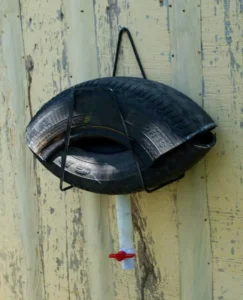
Mosquitoes love to breed inside discarded car tires. So why not use this against them? Such is the thinking of Canadian researchers who have developed a DIY mosquito trap that’s already proving its worth in field tests.
The trap is called Ovillanta, and it was developed by researchers from Laurentian University with help from Mexico’s National Institute of Public Health (plus a little money from the Canadian government).
This Low-Tech Trap For Killing Mosquito Eggs Is Brilliant
The egg trap is constructed from two 20-inch (50 cm) sections of discarded rubber car tires. The bits of tire are fashioned into a mouth-like shape, and a fluid release is added to the bottom.Once it’s ready and hung on a wall or tree, a non-toxic solution is added. A chemical pheromone is added to attract the mosquitoes. A wooden strip or paper floats in the artificial pond, where the female lays her eggs.
Twice a week, the strip is removed so that it can be analyzed, and the eggs that have been collected are destroyed using fire or ethanol. The solution is recycled back into the tire, but over time it collects even more mosquito pheromones, making it even more irresistible. From a mosquito’s perspective, it’s actually quite diabolical.
This Low-Tech Trap For Killing Mosquito Eggs Is Brilliant
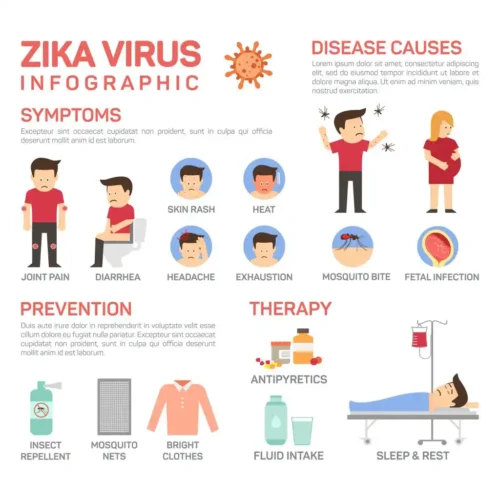
The researchers recently conducted a 10 month trial of the system in Guatemala where it worked to reduce virus-carrying Aedes mosquitoes. These mosquitoes are responsible for spreading viruses like Zika, dengue, yellow fever, chikungunya, West Nile virus, and others. Population control measures to reduce the number of mosquitoes are an important aspect of combating these blights.
Over the course of the 10 months, the Ovillanta system worked better than traditional ovitraps, which are usually made from one-liter buckets. During the field trial, the team collected and destroyed over 18,100 Aedes eggs per month using 84 Ovillanta traps in seven neighborhoods. That’s seven times more efficient than traditional traps. At the same time, no new cases of dengue were reported in the regions where the traps were set up, but the researchers caution that this is merely an anecdotal observation. It’s also important to point out that this study is still awaiting peer review. That said, this area of Guatemala typically records about 24 to 36 cases during the same months.
Neat, right? Nice to see low-tech solutions perform so well. It’s cheap, easy to make, and environmentally friendly. On it’s own, the system likely won’t be able to completely curb the spread of mosquito-borne viruses, but when used with other population control strategies, it could contribute significantly to the cause.

 So How Can You Avoid the Bugs in the Smoky Mountains?
 How To Protect Your Dog Against Fleas & Ticks

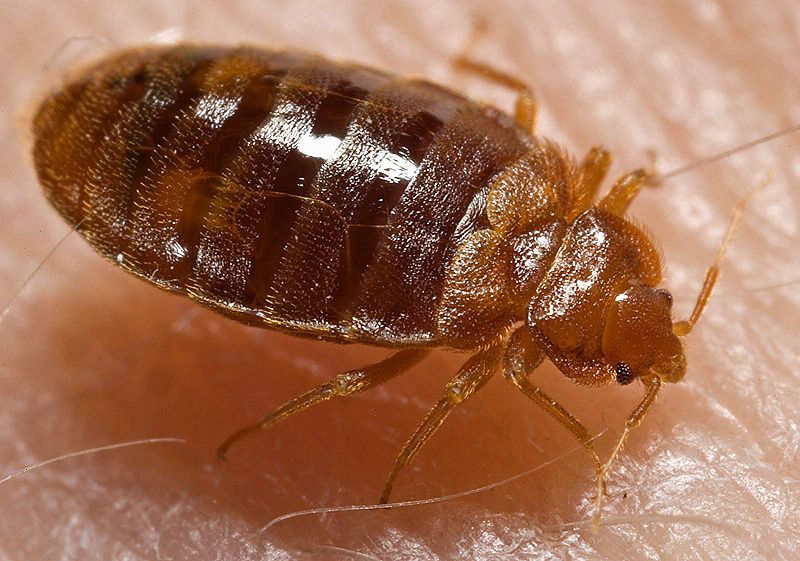 As Thanksgiving kicks off the holiday season, Americans will be making travel plans to celebrate with relatives and friends, both near and far. With the increased amount of travel occurring during the next couple of months, we like to remind our friends to be on the lookout for signs of bed bugs. Having an awareness of bed bugs while traveling will help you avoid spreading these hitchhiking pests—or, even worse, bringing them home.
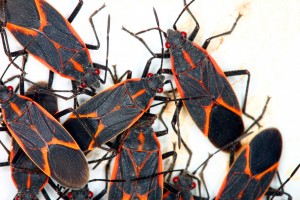 Boxelder Bugs are flat, dark brown pests that are present all throughout the year, but are mainly noticed during the fall and winter seasons. There is nothing to fret, though, because they are completely harmless.
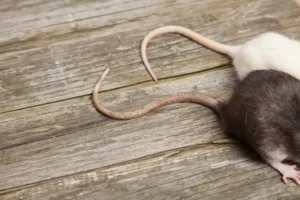 With the arrival of cooler temperatures across the East Tennessee, rodents will begin to seek shelter from the elements – often in people’s homes. To promote public vigilance against the hazards rodents can pose when they invade structures, the
 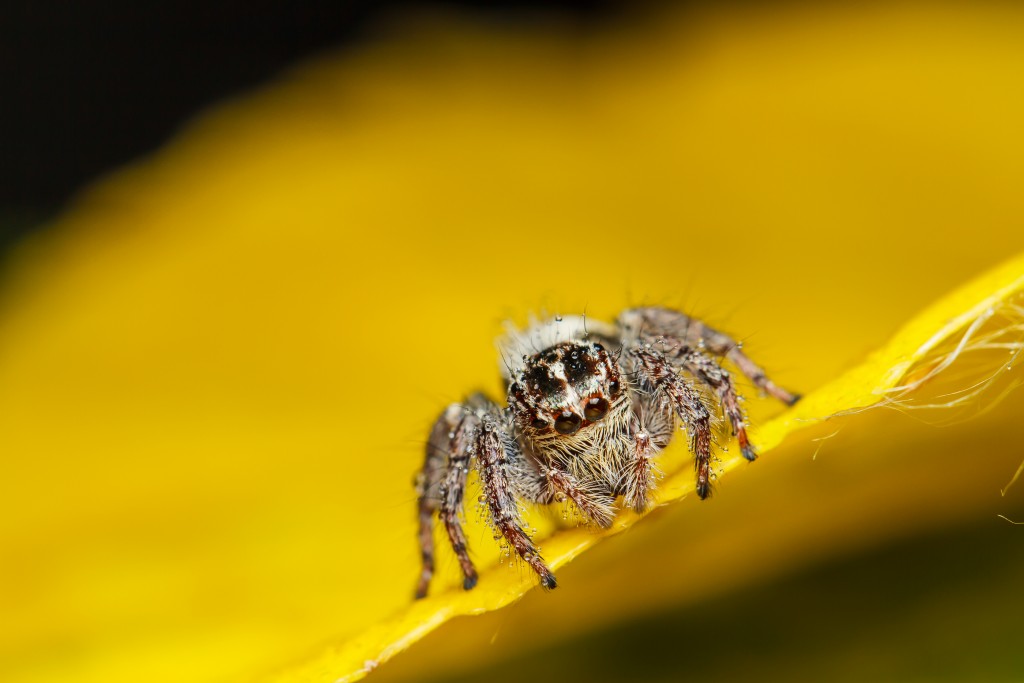 Spiders aren’t a seasonal pest, but many homeowners tend to notice an increased presence in their homes in the early fall months as the arachnids become more obvious while they search for a mate. Even though most spider species in the United States don’t pose health risks to humans, most people aren’t comfortable with any species sharing their living space.