Ants with Wings? Could be a Termite Swarm!

The warm, wet weather of spring and summer often brings a special type of termite out of the colony in Knoxville. Mature “swarmers” leave the nest when the colony reaches a particular size. These termites are often mistaken for ants with wings but are vital in detecting a termite infestation on your property.

Here are some facts about termite swarms to help you protect your home:

Up close, ants with wings and swarming termites look very different. Perhaps the easiest way to spot the difference is knowing that swarming termites are usually only ¼ inch long, which is smaller than ants with wings. Up close, termites seem to have two body sections and straight antennae while ants with wings have three body parts and bent antennae. Knowing these differences can be helpful when calling a pest professional in Knoxville.

Check cracks, crevices and sources of light.

These are hotspots for termites during a swarm, but not common places to find ants with wings. If you have a termite infestation in your home, termite swarms will attempt to escape through cracks in your foundation or walls. If you miss the swarm itself, be sure to check these areas for discarded wings, as these are typical evidence of a swarm.

Swarming termites are also drawn to sources of light, unlike ants with wings. Check near windows and lights for swarms or discarded wings.

Different types of termites live in different areas.

Only subterranean termites can be found in Knoxville. These kinds of termites produce huge swarms that occur in the spring. Most of these termites swarm in the daytime, making them easier for homeowners to spot.

Whether your Knoxville home is plagued with swarming termites or ants with wings, be sure to call Johnson Pest Control at the first sign of a pest problem.

Where do Brown Recluse Spiders Live?

Brown Recluse spiders are pretty common in our area of Tennessee, as well as the rest of the Southeastern United States. Yet, there are many misconceptions about them. And certainly many misidentifications for the brown recluse spider.

First: What Does a Brown Recluse Spider Look Like?

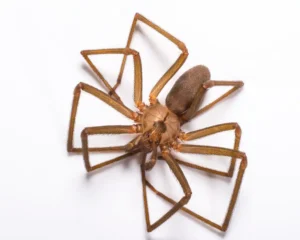
We covered what the recluse looks like in another article a few weeks back. The recluse is not always the same brown-reddish look, but that is their normal. Their size can vary as well, a full grown brown recluse will get to where they would cover the area the size of a penny. The violin marking on the back and their eyes are always a big tip off to the brown recluse versus a wolf spider or other spider.

Brown recluse spider against a white background - keep spiders away from your home with Johnson Pest Control in TNBut Where do Brown Recluse Spiders Live?

The brown recluse spider adheres to its name, it is a recluse and tries to stay away from people. You are the furthest thing from their interests. They prefer undisturbed places that are dryer in nature. You likely can find them in crawl spaces, garages, sheds, wood or storage piles, maybe guest rooms that are not used often. Often times when you hear about someone being bitten it is usually in a place of the house that has items which are not used frequently. Sheets from grandmothers extra room, gloves from dad’s storage shed, etc. are types of places that a brown recluse might set up shop where they come in contact with humans (resulting in a person getting bitten). Brown recluse will set up shop around the house in their own little communes. So if you see one, there are likely more. A good signal of having brown recluses is finding very erratically designed spider webs. In other spider webs, you get that traditional design that shows up on all the Halloween decorations. The recluse web just looks like a jumbled mess, think of it as if you took some thinned out cotton candy and stuff it in corners.

As with any pest, or rodent, you won’t find brown recluses if they are unable to find food sources. The brown recluse generally feeds on softer bodied insects like crickets (so think if you have ‘cave’ / ‘wolf’ crickets in your crawlspace), cockroaches, and firebrats are common food sources. If you look around the house and find some food sources then the possibility of having brown recluses around the home has increased.

What To Do With Brown Recluses In My Home?

It is impossible to get rid of brown recluses through the traditional tools and means used by pest control. Brown recluses are impervious to the normal sprays and will often hide in safe areas that are not touched by fumigation bombs. Often the best thing you can do is try to diminish the population and keep a little vigilance while living with them. What does “living with them” mean?

  • Make a regular rotation of washing clothes & sheets, even if nothing was used. If you have a guest room and people are coming over, wash the sheets beforehand and ruffle up the pillows, this will kill or alert you to any brown recluses call that room home.
  • If you have a shoe collection then shake out shoes before putting them on, especially if you have not worn in quite some time.
  • Put down sticky traps around the bases of the walls. This will help get rid of some of them and likely show you how many you have. Brown recluses will also eat their own, so sometimes you can get a second one when they try to eat their buddy.
  • Regularly clean up outdoor sheds and keep and eye out for brown recluse spider webs. If you recognize the presence of them then treating the area with a little caution might be called for.

This would be what one might come up with to ‘live with’ recluses in your house.

You can contact your pest control provider to see if they have brown recluse programs. Programs like this are move involved than general pest programs so you would have to see if they can offer that type of service.

The big myth that gets perpetuated by news reports is that brown recluses are aggressive spiders that are hunting us down. That is not the case. It is just a matter of them being disturbed by us in a place that they thought they were cool to be all alone and do their thing.

How to Kill Bed Bugs

There are a lot of companies out there that will charge you a lot of money to kill bed bugs that have invaded your home or workplace. Often they do only half the job and you will continue to have problems with bed bugs. So what should you know about how to kill bed bugs?

Three Things To Know How To Kill Bed Bugs

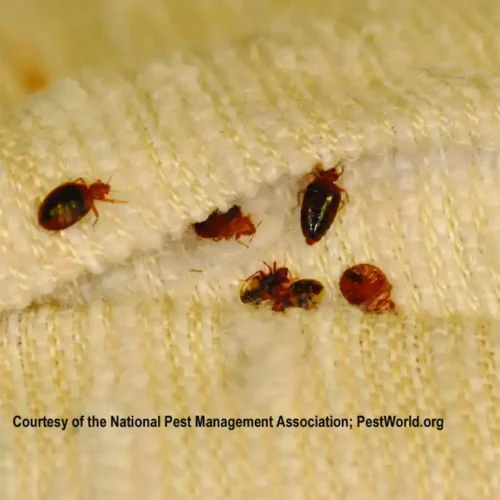
1. You need to know that you have bed bugs before you can kill them. A visual inspection will generally yield results if the infestation is gotten to a critical point already. You want to inspect the mattress folds, box spring, and headboard to see if you can identify any bugs or remnants of bed bugs. You would likely see feces or blood spots on the mattress. If you cannot find anything then invest in what our industry calls bed bug monitors. You can buy all types of these monitors. Bed bug monitors can be as simple as plastic bowls (they usually have a composition that makes them slippery for the bugs so do not think you can get away with Gladware) which you place underneath your bed posts and under the bed. These monitors will capture some bed bugs which will indicate whether or not you have an infestation. If the monitors do not show any account of bed bugs yet you feel they are present then it is certainly time to call for a professional inspection.

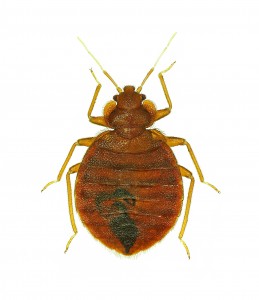
A cluster of bed bugs on a blanket - keep bed bugs away from your home with Johnson Pest Control in TN2. Bed bugs will stay close to their food source (you, maybe a pet) so you will want to concentrate any treatment efforts on the small areas where they are feeding. In the cases of massive infestations, you can find bed bugs on curtains and other furniture, but those are not the norm. Chemicals designed to kill bed bugs can be used but do not pick up consumer grade bug killers from the general store and expect that to work. If you decide to use a chemical treatment follow the directions for use exactly and be beyond thorough in treating the infested area. If a single bed bug were to be left behind you could have an infestation problem all over again.

Things not to do would be dousing the bed bugs with chemicals and then lighting them on fire. A few times a year we see news reports where someone has resorted to this as a tactic. Often they are only successful at burning down their residence and sometimes killing themselves.

3. Inspect you living space again, and again. Part of our successful program to getting rid of bed bugs is return inspections. You need to monitor your space and keep inspecting for bed bugs. Hopefully, the problem has been dealt with to an extent that less evasive treatments can be used to kill off any remaining bed bugs. If you have contracted with a reputable pest control company that works with bed bugs then they should already have a plan for return inspection visits.

We hope that you find in this little article that killing bed bugs is no simple work and almost always requires professional treatment. We also want to note that it is best to contact a professional to verify the presence of bed bugs and consult on treatment options before taking any steps, because there are many methods people often try that end up making the infestation worse. This is why we encourage taking on precautionary measures when you travel and head off to school (or camp) in order to prevent bed bugs from coming into your home in first place. Not having bed bugs in the first place is the best way to kill them.

Bed Bugs Everywhere

The National Pest Management Association in partnership with the University of Kentucky surveyed a national sampling of pest management professionals to find out that bed bugs are indeed everywhere.

Bed Bug ResearchBed Bug Research Executive Sample

Once again, the pest management industry has explored a topic that leaves most Americans very uncomfortable: bed bugs. Though the public may fear these bloodsucking insects – there is much to be learned from those who find, treat, and eradicate bed bugs in most of the places people live, work and spend leisure time. To that end, pest management professionals (PMPs) across the country participated in an online survey, conducted by the National Pest Management Association (NPMA) and the University of Kentucky on a biennial basis. This report features the key findings.

Still a Problem. Nearly two out of three pest management professionals (64%) report that bed bug infestations continue to be on the rise. Though this finding may horrify the public, it comes with a silver lining: Since 2010, the percentage of PMPs reporting an increase has decreased from a high of more than 90%.

Bed bug infestations are a year-round phenomenon. However, six out of ten PMPs (61%) noted seasonal differences in frequency, with “peak season” tending to be summertime. This is likely due to a spike in travel during which people can unknowingly bring bed bugs home.

Just About Everywhere. Bed bugs are found wherever there are people. In 2015, more than 90% of professionals battled bed bugs in apartments, condominiums, and single-family homes, and three-fourths (74%) encountered infestations in hotels and motels. Since 2013, occurrences have also spiked in such places as nursing homes, office buildings, and on public transportation. Respondents also report infestations in shelters, college dorms, day-care centers, health care facilities, stores, libraries, and movie theaters. Specifically:

  • Nursing homes – 58 percent (46 percent in 2013)
  • College dorms – 46 percent (47 percent in 2013)
  • Office buildings – 45 percent (36 percent in 2013)
  • Schools and day care centers – 43 percent (41 percent in 2013)
  • Hospitals – 36 percent (33 percent in 2013)
  • Doctor’s offices/outpatient facilities – 33 percent (26 percent in 2013)
  • Transportation (train/bus/taxi) – 29 percent (21 percent in 2013)
  • Retail stores – 20 percent (15 percent in 2013)
  • Movie theaters – 16 percent (10 percent in 2013)

Bed bugs are also found in more unusual spots as evidenced by several anecdotes from respondents – one PMP found bed bugs at a dance club, another in a casket with the deceased and yet another, in a vent above a bathtub. In short, pest management professionals encounter bed bugs in a wide range of places – some expected, others surprising.

Public Attitudes. Two out of five PMPs (43%) report that customers are expressing more concern about bed bugs than those in the previous year. Only a handful (6%) claim that customers today are expressing less concern, leaving half (51%) noting that little has changed.

Finding and Treating Bed Bugs. Visual inspection continues to be the most common method of finding bed bugs by professionals. Given their cryptic nature, other methods are also more popular than they were in previous surveys, including traps designed to intercept and capture bed bugs en route to their next meal.

Once bed bugs are found, nearly all PMPs (95%) treat them with insecticides. Many professionals (84%) also utilize mattress encasements, and have clients launder infested items (79%). Fewer PMPs use vacuums (62%), heat treatments (40%), or steam (38%). Notably, one treatment – the disposal of infested items – has become less popular, with 47% recommending disposal this year compared with 62% in 2011. Nearly eight out of ten PMPs (77%) perform preventive bed bug treatments, up from six out of ten (60%) in 2012. Typically, these proactive services involve inspection and monitoring in order to detect infestations

Nearly eight out of ten PMPs (77%) perform preventive bed bug treatments, up from six out of ten (60%) in 2012. Typically, these proactive services involve inspection and monitoring in order to detect infestations early, when they are easier to manage.

Bed bugs continue to be the most difficult pest to control, according to 68 percent of survey respondents. By comparison, 21 percent point to ants, 9 percent specify cockroaches and 2 percent list termites as the most difficult pests they face.

Can’t Take the Heat. When PMPs use insecticide-based treatments, they control the typical bed bug infestation in two to three visits. The average is 2.6. Heat-based treatments, by contrast, tend to require fewer visits: The average here is 1.3.

It’s a Business. Over the past year, bed bug service work has increased by 10%, according to PMPs surveyed, and now accounts for nearly 8% of their company’s pest control revenue, up from 5% in 2011. Other service-related facts:

  • The initial treatment for a bed bug infestation, on average, takes more than three hours;
  • In advance of treatments, at least half the PMPs require residential customers to strip bedding (71%), empty dressers and closets (60%), and move furniture away from the walls (50%);
  • The average cost of treating bed bugs in a residential setting is $1,225, up 22% since 2012 (though there are many variables in costs reported);

Homeowner clutter was cited as the biggest customer-oriented challenge in treating bed bugs by 80 percent of the respondents; followed by customers not following advice (62%) and reinfestation (24%). Proving how easily bed bugs can be transported from place to place, 29 percent of respondents said that company employees have accidentally brought bed bugs to their home or the office from a treatment site.

Best Management Practices (BMPs). Nearly six out of ten PMPs (57%) currently follow the Best Management Practices for bed bugs developed by the NPMA. One out of four (23%) has not yet made a decision, while one out of five (18%) is not familiar with the BMPs. By contrast, only 2% of pest management professionals have chosen not to follow the BMPs.

As in previous years, these findings underscore the need for continued education and awareness building among the American public regarding bed bugs. While the professional pest management industry is able to eliminate infestations, treatments can be costly, time consuming and disruptive to consumers. Bed bugs appear to be here to stay, but their spread can be stemmed by a vigilant public who takes steps to prevent infestations wherever they go.

Dr. Michael F. Potter is a professor and urban entomologist at the University of Kentucky, Lexington, Ky. Dr. Jim Fredericks is the chief entomologist and vice president of technical and regulatory affairs and Missy Henriksen is the vice president of public affairs, respectively, for the National Pest Management Association, Fairfax, Va.

The NPMA, a nonprofit organization with more than 7,000 members, was established in 1933 to support the pest management industry’s commitment to the protection of public health, food and property. For more information, visit PestWorld.org and AllThingsBedBugs.org, NPMA’s resource on everything bed bug related, from prevention tips to current news.

 

Bed Bug Awareness Week

Bug bug awareness week logo - keep pests away from your home with Johnson Pest Control in TNWith summer travel season quickly approaching, the National Pest Management Association (NPMA) has declared June 7-13 as Bed Bug Awareness Week to remind the public that vigilance is key to quelling a potential bed bug infestation this summer. We are proud to take part in this important public education effort and encourages travelers to brush up on bed bug basics before packing their bags and hitting the road.

Bed bugs are still a pervasive problem, and they can be especially problematic for travelers due to their hitchhiking nature. These biting pests are easily transported from one place to another in belongings, such as suitcases, which means travelers must exercise caution during and after their trips.

In fact, new research by NPMA and the University of Kentucky found that 99.6 percent of pest control professionals have treated for bed bugs within the past year, with 75 percent reporting bed bugs in hotels and motels.

At Johnson Pest Control we have a few bits of advice to vacationers to help ensure they don’t bring home bed bugs as an unwanted souvenir.

  • At hotels, thoroughly inspect the entire room before unpacking, including behind the headboard and in furniture. Pull back the bed sheets and check the mattress seams and box springs for pepper-like stains that may be evidence of bed bug activity.
  • If you suspect an infestation or problem, notify management and change rooms immediately. Be sure the new room is not adjacent to or directly below or above the possibly infested room.
  • Keep suitcases in plastic trash bags or protective covers during a hotel stay to prevent bed bugs from nesting there. Do not put them on the beds.
  • Upon returning home from a trip, inspect all suitcases and other belongings before bringing them into the house.
  • Wash all clothes – even those that have not been worn – in hot water and dry them using an extra-hot dryer setting

For more information on bed bugs check out our extensive amount of write ups on the little blood suckers. If you suspect an infestation of any level give us a call

Prevent Pests From Triggering Indoor Allergies This Spring

Pests and Insects and cause indoor allergies to kick in just as bad as outdoor allergiesWith the welcome arrival of spring comes some universally unpopular side effects: asthma and allergy symptoms. Every year, the Asthma and Allergy Foundation of America (AAFA) designates May as National Asthma and Allergy Awareness Month, coinciding with the peak season for allergy-related symptoms. We at Johnson Pest Control like to remind our people that even though many associate spring allergies with the outdoors, household pests such as cockroaches and rodents are also known to trigger asthma and allergy symptoms, especially in children.
Pest Related Indoor Allergies

Cockroach droppings, saliva, skins and other body parts contain potent allergens that can cause allergic reactions and worsen asthma symptoms. Additionally, some species of stinging insects found in East Tennessee, such as wasps & bees, can cause serious reactions in people whose immune systems overreact to stings.

With plant-based allergens already making life harder for so many Americans this time of year, the last thing people need are triggers within their own homes. The National Pest Management Association (NPMA) recommends the following tips for safeguarding homes against pests that cause asthma and allergies:

  • Keep food sealed and stored properly, and clean kitchen floors and counters daily.
  • Dispose of garbage regularly and store in sealed containers.
  • Seal cracks and holes in homes, including entry points for utilities and pipes and in screen doors and windows.
  • Keep basements and crawl spaces well ventilated and dry.

Should you experience symptoms of an allergic reaction, such as tongue and throat swelling, wheezing, dizziness, or shortness of breath, call 911.

If allergic to stinging insects, learn how to use an epinephrine kit and carry it with you at all times.

If you suspect an infestation or notice a hive or nest on your property then contact us for an inspection and treatment.

A pest-free home is a happy home, and taking a few simple steps to keep them out can make all the difference in improving day to day quality of life.

Do It Yourself Pest Control

Do It Yourself Pest ControlWe share a lot of tips, advice, and tricks on this website on how to help prevent pests from disrupting your life. We thought we’d put together a listing of some of the things that you can easily be done today to help prevent pests.

NOTE: Nothing is full-proof and guaranteed. We guarantee our services, but we know that every now and then a pest problem will take a few efforts on our part to get the problem solved. With that, do not take these ‘do it yourself pest control’ methods as a guarantee that you will get rid of all bugs.

Do It Yourself Pest Control

  1. Clean, and then clean some more: This method of DIY has many added benefits. A clean house feels great, even if it is for 20 minutes until your kids trash the place. Cleaning the house; vacuuming, dusting, sweeping, taking out the trash, washing rugs, arranging the pantry and cabinets will clean up many of the hiding places and food sources that bugs invade your home for. Set some time this weekend to do that spring cleaning as your first step in do it yourself pest control.
  2. Do a House Inspection: Put on some grubby clothes and start to get dirty around and under your house. At the beginning of spring you want to go full tilt with this practice, but as the summer and fall move through you can inspect your house in a few minutes to keep tabs on things. Pull out a sheet of paper to take some notes, or use a camera to take photos if you like. Walk the perimeter of your home and look for oddities. You want to see not only pests, but ideal conditions for pests to insert themselves into some part of your home. Notice bushes that are overgrown (any spider activity?), check for branches that might be touching the roof or gutters, are your gutters full of debris and causing water pooling, do you see pools of water around the house due to poor drainage, do you see pest activity (termite tunnels?). All these are good observations and things you will want to fix to prevent ideal conditions. Next take a crawl under the house to look around for any other creepy activity. Look for termite tunnels, any bug infestation, leaking pipes, rotting wood, or another condition that you feel isn’t supposed to be that way (trust us, you will know). If you notice something major, like active termites, then call your pest professional (us!!) as soon as possible to get that problem taken care of.
  3. Tend to Conducive Conditions Accordingly: All those things you notice about your home start to peck away at those on your to-do list. This will feel much like do it yourself pest control practice #1, you will feel a whole lot better about your house as things get tidied up. Reducing the conducive conditions for pests around your house will go a massive way in preventing pests from coming into your home and doing damage.
  4. Use Mother Earth: There are plants and even some animals that you can help introduce to your home environment that will help to prevent pests from making your home their home. Experiment with what you seem to have the most problems with and start planting accordingly.
  5. Use Chemicals & Traps Last: If you are vigilant about your home and keeping conducive conditions for bugs down to a minimum then you are likely going to do pretty well-keeping bugs out without chemicals. If you wish to put down chemicals then be very aware to follow the directions of the product you buy. Do not put more chemical down than ascribed, this can put more toxin in the ground and possibly come back to hurt a pet or even small children. If set traps out for rodents you suspect then do not set and leave forever. You need to actively check those traps, otherwise you might have a stinky smell and a funky corpse of a mouse or rat behind a garage shelf or fridge. That stuff will actually attract more bugs.
  6. Repeat: The key to do it yourself pest control is to continue to repeat these processes. Doing them once is great, but who is to say that bugs do not start to invade the week after you do all this work. Regular cleaning and inspections to reduce those conducive conditions will go a long way. It will also tip you off to a potential problem that is outside your control, but still early enough detection that fixing it will not cost you thousands and thousands of dollars.

Protecting Pets from Fleas and Ticks

Dog Scratching with Fleas and TicksWith the return of warm weather, everyone wants to spend more time outdoors—including household pets such as dogs and cats. Like people, pets are also at risk for the serious health complications that can arise from tick and flea bites. Pet owners need to take the necessary precautions to protect their pets this spring.
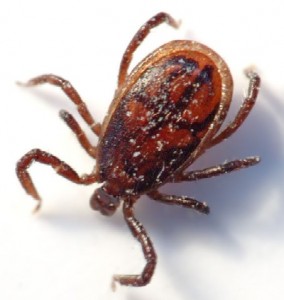
Fleas and Ticks in Tennessee

Blacklegged deer ticks are known for spreading Lyme disease to people, but pets are also susceptible to this serious disease, along with American dog tick-vectored Rocky Mountain Spotted Fever. Pet owners in East Tennessee should be especially vigilant against American dog tick, the brown dog tick, and the lone star tick which are most likely to affect area dogs and cats.

Pets sickened with Lyme disease may suffer from fever, decreased appetite, painful joints, limping and lethargy. In severe cases, kidney disease can also occur. American dog ticks are larger than black-legged deer ticks and can cause tick paralysis when a female dog tick attaches near a pet’s spinal cord. Tick paralysis can lead to muscle weakness, loss of coordination and, in some cases, death from respiratory failure.

Fleas are another common pet pest that can cause serious health complications. The itchy red bumps left by fleas can lead to excessive scratching, anemia, dermatitis, and tapeworms. Fleas can also become a problem when pets bring them inside the home. Once there, they can reproduce in bedding, carpets or furniture.

The National Pest Management Association (NPMA) recommends these tips for protecting pets from ticks and fleas:

  • Check pets frequently for ticks and fleas. Be aware of excessive scratching and licking.
  • Avoid walking dogs in tall grass, where fleas and ticks often hide.
  • Bathe pets after walks or playtime with other animals.
  • Frequently wash pet bedding, collars, and plush toys.
  • Wash bed linens and vacuum carpets, floors, and furniture frequently.

If you suspect a problem around your home contact us to talk over flea and tick treatments to protect your pet/s and your family.

Warm Weather Brings Out the Mosquitoes and Ticks

Brown Dog TickLocal news station WBIR recently did a news segment on ticks and mosquitoes emergence with the warm weather of spring.
“They like to be active when we like to be active,” said Dr. Karen Vail. “The weather we like the ticks like, too.

A professor of entomology at the University of Tennessee, Vail says ticks are picky, just like us.

“If it’s too hot they are not active, if it’s too cold they are not active, too dry they are not active, too wet they are not active,” said Vail. “So when we like, they like it.”

East Tennesseans likely will see two species – the lone start tick and American dog tick.

Being aware of a tick’s home can help you avoid contact.

“They tend to be in more protected areas like tall vegetation and edges of woods where they are not exposed to direct sun,” said Vail.

If you do come face to face with a tick, Vail gives advice on how to handle that.

“The idea is no matter what tick you have on you, to get it off as soon as you can, grab where it attaches to your skin, pull with steady pressure, treat that wound.”

She says watch for flu-like symptoms because the tick could be infected.

“We have several different disease causing organisms that these ticks can carry and transmit to people,” said Vail.

Ticks and mosquitoes are a reality for so many of us who live for this outdoor weather and love to get up into the mountains and on the trails. Both ticks and mosquitoes you can protect yourself and your family from by using repellents and wearing clothes that cover the body. Mosquitoes are most active in dawn and dusk hours as they tend to be more active feeding during those periods of the day. Ticks are best avoided by avoiding tall grassy areas. They can’t fly through the air and land on you as mosquitoes do. The best they can do is fall on you. If you do go romping through some grassy areas then take time afterwards to check the family, and pets, for ticks.

So as you get out and about this spring be sure to take some quick precautions to protect yourself and your family from mosquito and tick bites.

Ants Ready to Bug Homeowners This Spring

Odorous House AntSpring is officially here and with it comes one of the most persistent warm-weather pests—ants. America’s number one nuisance pest will invade homes across East Tennessee in search of food. While most species present problems in people’s pantries and kitchens, some species can deliver painful bites while others inflict property damage. According to a survey from the National Pest Management Association (NPMA), more than half of consumers list ants as their top pest concern.

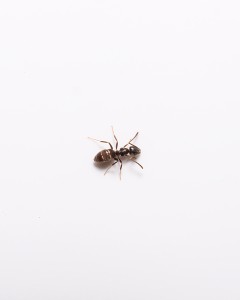
As most homeowners know, ants are especially drawn to the kitchen and their sheer numbers can be daunting alarming to see. Little black ants are most likely to invade East Tennessee homes this spring. However, eliminating food sources can help keep them at bay.

Of all the U.S. ant species, carpenter ants and fire ants pose the most risks for homeowners. Carpenter ants excavate wood in order to build their nests, which can compromise a home’s structural soundness, and fire ants in the southern US and California can inflict painful stings in high numbers that can cause anaphylactic shock in about 2 percent of the population.

How To Protect From Ants

Although ants can be difficult to control once they have entered a home, the following preventative measures can play a major role in helping to avoid infestations:

  • Wipe up crumbs and spills immediately
  • Store garbage in sealed containers and remove from the home frequently
  • Keep food packages closed or sealed and store products in air-tight containers
  • Avoid leaving food out on the counter or pet food out on the floor for long periods of time
  • Repair holes or gaps in window and door screens
  • Seal cracks and holes on the outside of the home including entry points for utilities and pipes
  • Keep tree branches and shrubbery well-trimmed and away from the house
  • Replace weather-stripping and repair loose mortar around basement foundation and windows

If you suspect an ant or any pest infestation in your home contact us to help diagnose and eliminate the ant problem.

With more than 700 species of ants in the U.S., many of which create huge colonies, prevention is the key to an ant-free home.